Purityfic Vitamin - Everybody knows that with age, men undergo significant changes. In this regard, the need to support changes in the body undoubtedly arises. Here are the top 10 essential vitamins that every adult man should consider!
Whereas effects of aging vary from person to person, on most of us, it affects everything from how we look to how we love.
We're all banking on some kind of breakthrough, a fabled Fountain of Youth, or some breakthrough from one of the cutting-edge "longevity" companies. So, until that day, although we can't reverse it, we can certainly slow it down with some smart diet and lifestyle tweaks.
Taking care of important vitamins and nutrients is not only crucial for health but also the upkeep of one's sexual energy.
Why Nutrients Are Important for Your Body?
Nutrients are life-supporting materials found in foods and dietary supplement products that provide nourishment, enable the body to grow and repair itself, and conduct essential chemical reactions in the body.
Your body requires a well-balanced mix of six important nutrient types to work at its best: carbohydrates, fats, proteins, minerals, vitamins, and water. These nutrients come mainly from the foods you eat but are also obtainable in dietary supplement form.
No matter their source, your body digests and absorbs these nutrients as it passes through your system, utilizing them in all manner of bodily functions.
Good health is dependent on adequate nutrition. If you don't get the right balance of these vitamins and minerals, you can suffer a range of health-related problems.
If your diet lacks something, a daily multivitamin can be a catch-all, ensuring that your body gets what it needs.
What Vitamins and Minerals Benefit Men's Health the Most?
Here's a snapshot of some of the essential vitamins and minerals that every man should focus on as they age:
- Calcium: It is responsible for fortifying bones and teeth. Almost 99 percent of your bone structure comprises calcium. Maintaining adequate calcium levels within you will help you prevent fractures and osteoporosis.
- Coenzyme Q10 is essential in heart health and blood sugar regulation. As one grows older, the body's CoQ10 production naturally begins to drop. That is why supplementation becomes essential.
- Magnesium helps in energy creation and operates nerves. When the level of magnesium is low in your body, then you are most likely to face erectile dysfunction and many other health-related problems.
- Potassium is important for proper functioning of your muscles, nerves, and heart. Moreover, it helps balance out the excess sodium level in your blood and assists in waste removal from cells.
- Selenium: Boosts immunity and provides overall protection to cells from damage. It's very essential for thyroid health and in the synthesis of DNA.
- Vitamin A: A very vital anti-oxidant involved in cellular growth, immune function, and also vision.
- Vitamin B Complex: This includes B6, B9, and B12, all playing significant roles in energy metabolism, growing cells, and general metabolism.
- Vitamin C: Pretty well known for its antioxidant properties, vitamin C is important for the maintenance of tissues and provides support for the immune system.
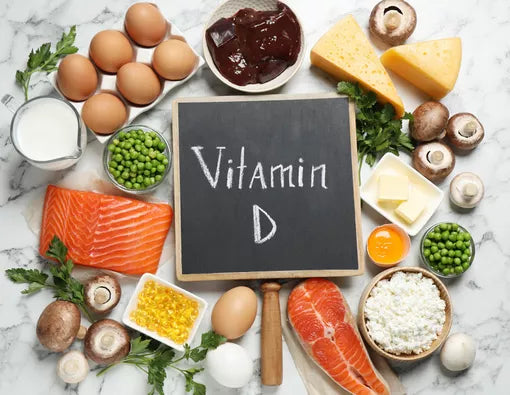
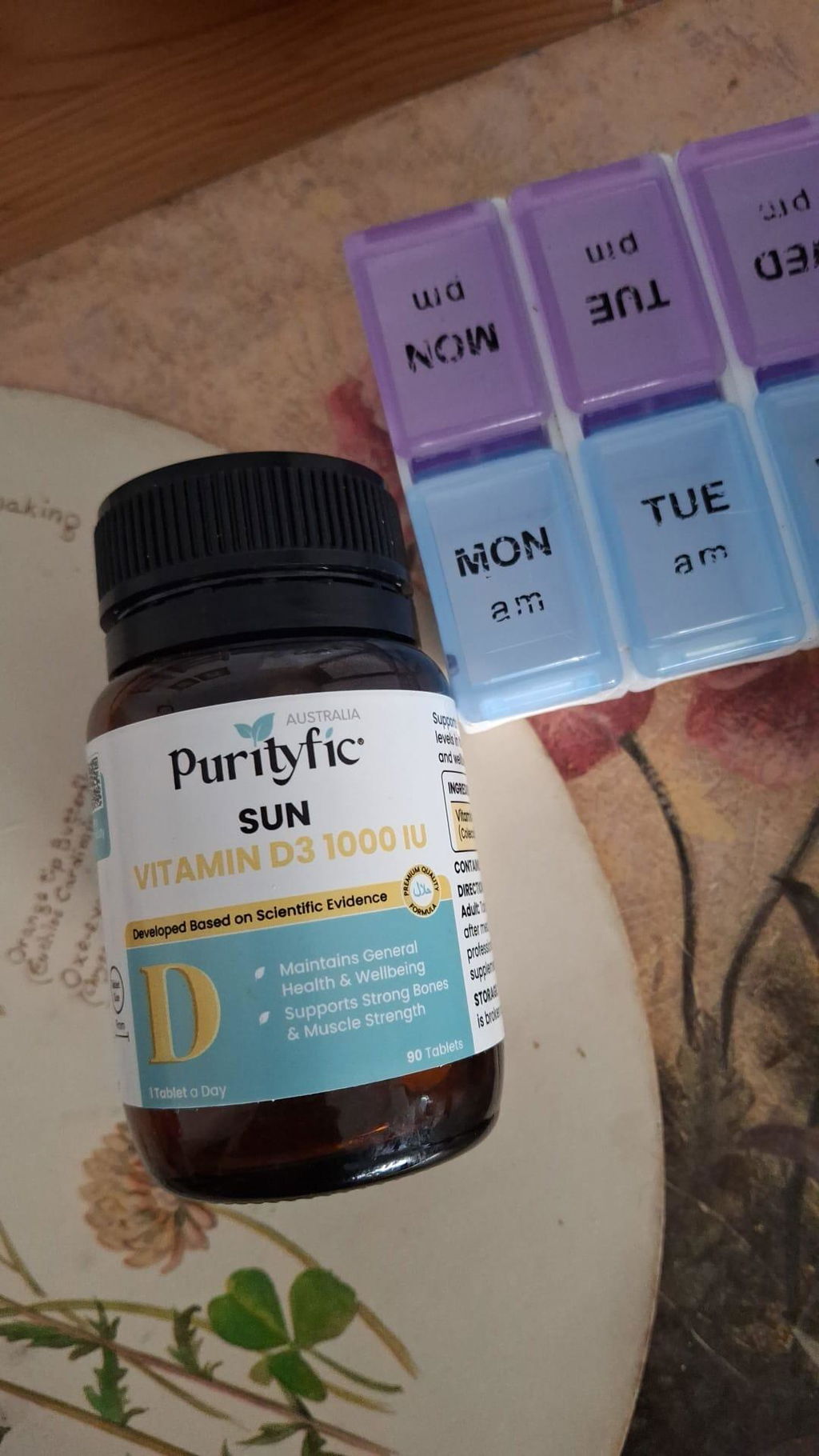
- Vitamin D: Major role in the heath of muscles, nerves, and the immune system; also very important for proper absorption of calcium.
- Zinc: Impervative in immune function, wound healing, testosterone production, and in the health of the reproductive system in males.
Is a Multivitamin the Best Way to Get These Nutrients?
While many go for multivitamins, nothing beats obtaining these nutrients from a well-balanced and nutrient-rich diet.
Some studies indicate that the body may not be absorbing synthetic nutrients from the multivitamin as well as it would from food. Focusing on a diet rich in fruits, vegetables, lean proteins, and whole-grain foods is how one can attain overall good health and, at the same time, reduce the risk of chronic diseases.
The way one deals with it, though, makes all the difference. Look to incorporating these vitamins and minerals into your routine and just keep on thriving at any age!