Total: $0.00
Taxes and shipping calculated at checkout



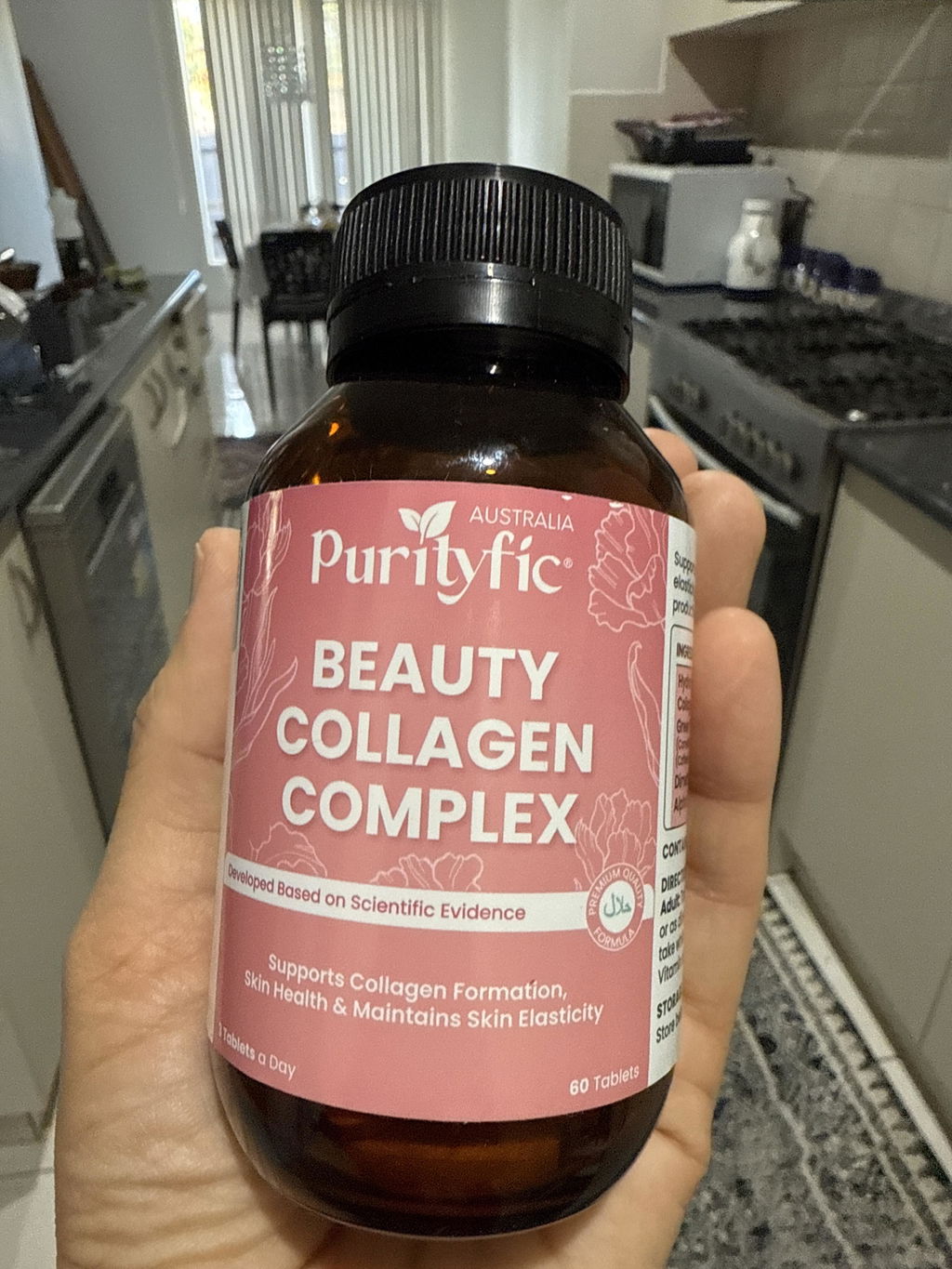
Is collagen halal? It is a sensible question for Australian shoppers because collagen supplements can be made from different animal and marine sources. The word collagen alone does not tell you whether a finished supplement meets halal requirements. This guide explains what to check before buying.
Collagen is a structural protein found naturally in skin, tendons, cartilage and other connective tissues. Collagen supplements typically contain collagen or collagen peptides processed from animal or marine raw materials. Different products may use different sources and processing methods.
Not necessarily. Marine collagen may come from fish, but a product's halal status also depends on the ingredients, processing aids, manufacturing and the requirements of the certifying body. Check the exact finished product rather than assuming that the words “marine collagen” guarantee halal certification.
Bovine collagen is derived from cattle. Its halal suitability can depend on sourcing, slaughter requirements, processing and certification. A product labelled “bovine collagen” should not be assumed halal without further evidence.
Research on oral collagen peptides and skin outcomes is evolving. Some studies report improvements in certain measures, but results vary, studies differ in quality, and findings do not establish that every collagen product will deliver the same outcome. A balanced diet, sun protection and other healthy habits remain important for skin care.
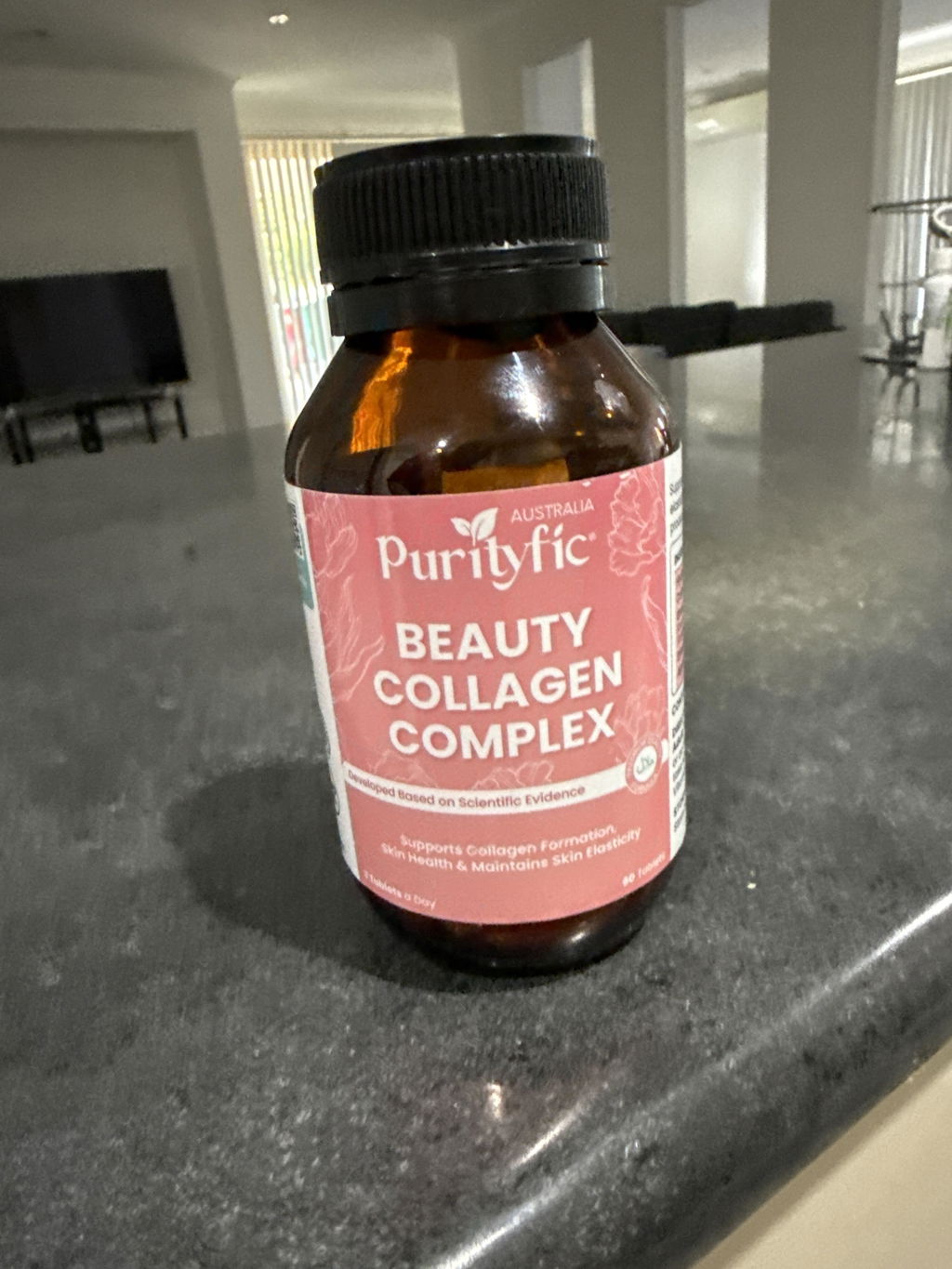
Start with the label and the manufacturer's product information. You can also explore PURITYFIC Beauty Collagen Complex to review its current ingredients, directions and product details. Check the actual pack and any current certification rather than relying on general claims about collagen.
No. Collagen can come from different sources, and halal status depends on more than the ingredient name.
No. Fish origin and independent halal certification are different things. Check the finished product's certification.
Conventional collagen derived from fish or cattle is not vegan. Products marketed as “vegan collagen boosters” generally contain other nutrients rather than conventional animal-derived collagen.
No. Australian manufacture and halal certification are separate attributes. Verify each independently.
For halal-conscious families, clear sourcing and verifiable certification are useful starting points. Compare labels carefully, and choose supplements based on your individual needs rather than broad marketing promises.
This article provides general educational information and is not medical advice. Always read the label and follow the directions for use.