Total: $0.00
Taxes and shipping calculated at checkout



The sun is one of the best sources of vitamin D for the human body. The amount of vitamin D a person's body can produce from sun exposure is affected by some factors, including the time of day, geographic location, skin color, and whether or not they wear sunscreen.
Read: When is the best time to take vitamin D?
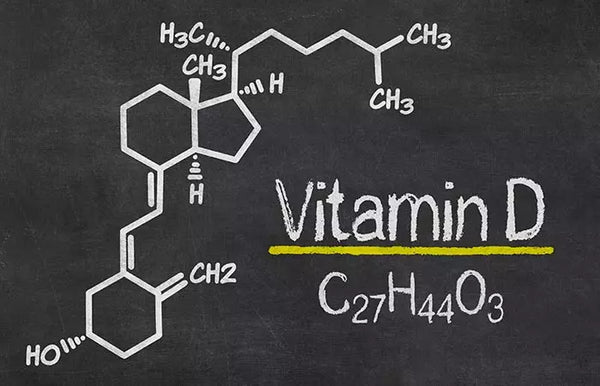
Vitamin D is an essential nutrient needed by our body. Calcium absorption requires vitamin D. Vitamin D is also important for bone development, bone repair, and immune system function.

The body needs a consistent supply of vitamin D for various processes.
The best natural source of vitamin D we can get is sun exposure. The amount of vitamin D produced in the skin varies by UV level, season, location, skin pigmentation and individual circumstances. No fixed amount of sun exposure guarantees an adequate vitamin D level.
In Australia, check the UV Index rather than following a fixed midday exposure schedule. When the UV Index is 3 or above, Cancer Council Australia recommends sun protection. Most people can maintain vitamin D levels through incidental outdoor exposure while protecting their skin. People at risk of deficiency should seek individual advice from a health professional.
Spending time outdoors does not guarantee adequate vitamin D. If you are concerned about deficiency, ask your GP whether assessment or supplementation is appropriate.
When ultraviolet B (UVB) rays from the sun hit a person's skin, mechanisms in the tissues start producing vitamin D for the body to use. It's important to note, however, that excessive sun exposure can lead to sunburn and even skin cancer.
Vitamin D helps the absorption of calcium, which is one of the main building blocks of bones. Vitamin D is also needed by the body to keep the nerves, muscles, and immune system functioning properly.
What factors affect the production of vitamin D from the sun?
Regular and moderate sun exposure is beneficial, but prolonged exposure can be harmful. It's important to highlight that those who spend too much time in the sun and get sunburnt have a higher chance of developing skin cancer.
Do not use time-to-sunburn calculations to decide how long to remain unprotected outdoors. UV damage can occur before sunburn, and extra exposure increases skin-cancer risk. See Cancer Council Australia's vitamin D advice.
While sunlight is beneficial for vitamin D production, too much sun can be harmful. The following are some of the consequences of excessive sunlight:
If you intend to spend a lot of time in the sun, take precautions to avoid sunburn. Use the local UV Index and Cancer Council's sun-protection advice, rather than estimating a safe exposure time from your skin's sensitivity.
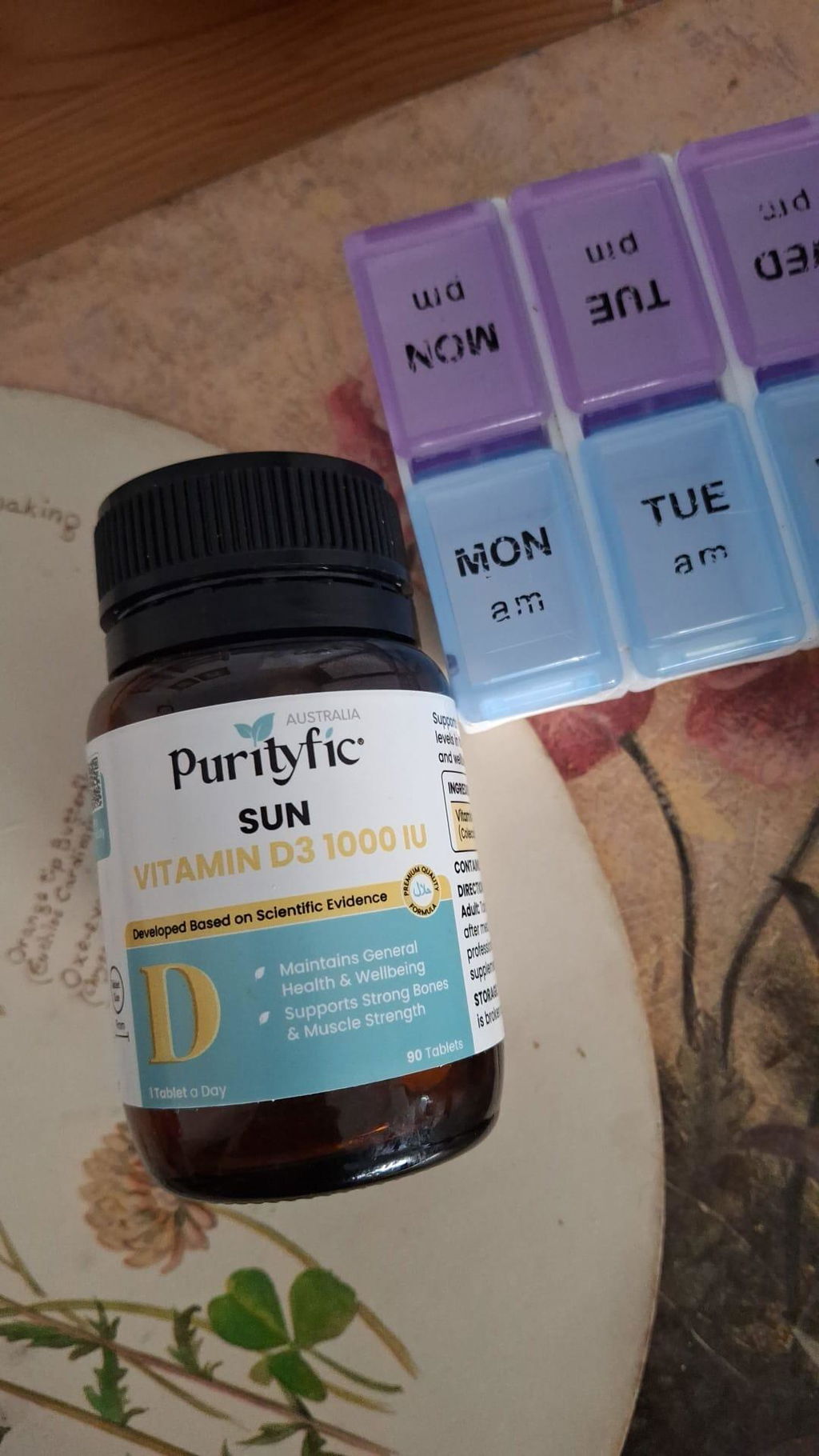
Vitamin D can come from sunlight, foods and, when appropriate, supplements. Australia's Nutrient Reference Values give age-specific adequate intakes that differ from some overseas recommendations. These population reference values are not personalised supplement doses. Ask a GP or pharmacist before taking supplements, particularly for babies, during pregnancy or if you have a medical condition.
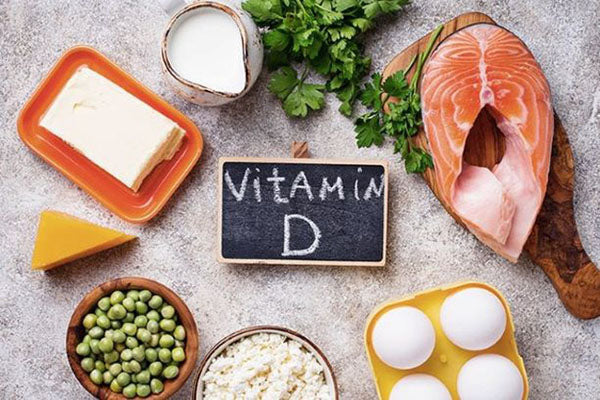
Vitamin D can also be found in some foods, such as:That's the article How to Get Vitamin D from the Sun the Safe Way!